
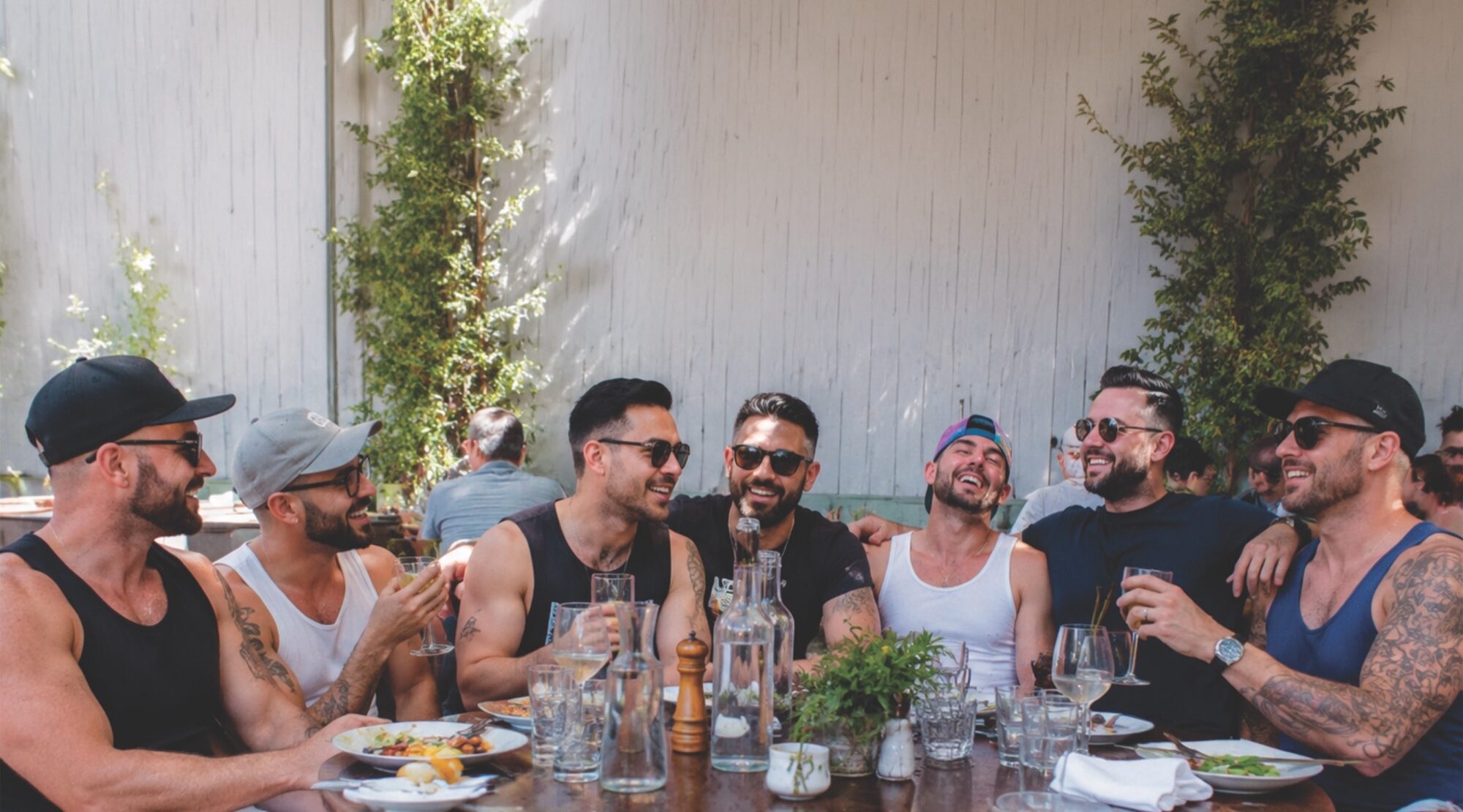
From late-night recovery meals to bottomless mimosas and drag queens dancing between the tables, brunch found its natural home with the LGBTQ+ community.
by scott leonard
It’s Sunday morning. Well, technically it’s almost noon, but nobody at the table is interested in judging. The coffee is strong, the mimosas are flowing and at least one person is wearing sunglasses indoors. Someone is telling a story that begins with, “I probably shouldn’t tell you this,” which guarantees everyone will lean in closer.
A drag queen in a rhinestone bodysuit suddenly appears, does a split next to someone’s eggs Benedict and collects a handful of dollar bills — all without spilling a Bloody Mary.
Welcome to brunch! Gay people didn’t invent brunch. We just looked at breakfast, decided it started much too early and added cocktails. Frankly, it was only a matter of time.
The word “brunch” first appeared in print in 1895 in an essay by British writer Guy Beringer. He proposed a late Sunday morning meal for people who had enjoyed themselves a little too much on Saturday night. Instead of waking up early for a heavy meal after church, Beringer suggested that people sleep in, meet their friends, and eat a combination of breakfast and lunch.
In other words, more than 130 years ago, this man understood that nobody wants scrambled eggs at 8 a.m. after getting home at 2.
Brunch slowly caught on in the United States during the early 20th century. Hotels and restaurants liked it because it let them attract customers during the long stretch between breakfast and dinner. Diners liked it because brunch came without many rules. You could order pancakes at noon, a hamburger before breakfast officially ended or champagne while respectable people were still drinking coffee.
That freedom might be why LGBTQ+ people embraced brunch so eagerly. Brunch doesn’t make you choose — breakfast or lunch, sweet or savory, coffee or cocktails. You can have it all.
Sounds pretty queer to me.
SUNDAY WITH THE FAMILY
For generations, Sunday revolved around church followed by a meal with the family. That tradition wasn’t always welcoming to LGBTQ+ people, especially those rejected by relatives or religious communities.
I remember my first “chosen family” brunch after coming out: A mismatched group crowded around a tiny table in a noisy diner, sharing plates, inside jokes and the kind of laughter you only have when you truly belong. Nobody cared who brought what or who was related to whom — what mattered was that you showed up.
So, like we have done in countless other ways, we created our own version.
Brunch became a chance to gather with chosen family. Friends could recover from Saturday night, trade gossip, and spend time together outside the darkness and noise of a nightclub. Nobody needed an invitation, a special occasion or an excuse. You simply called your friends and asked, “Where are we brunching?”
The timing was perfect for gay nightlife, too. Anyone who stayed out until last call was not getting up for breakfast. By noon, however, we could shower, locate our dignity and rejoin society.
Brunch also allowed the party to continue without pretending it was still Saturday night. A mimosa looks cheerful and respectable. It is orange juice, after all — practically a vitamin.
The meal became especially popular in gay neighborhoods where bars, restaurants and cafés were close together. People who saw each other on the dance floor the night before could meet again in daylight. Sometimes it was a happy reunion. Other times, you just pretended not to remember.
Either way, there were pancakes.
ENTER THE QUEENS
Brunch was already pretty gay before drag performers arrived, but drag brunch sealed the deal.
Drag and dining had been sharing space for decades. New York’s Club 82 presented drag entertainment beginning in the 1950s. Hamburger Mary’s opened in San Francisco in 1972, and eventually became famous for mixing burgers, cocktails and drag at locations around the country.
Lucky Cheng’s opened in New York City’s East Village in 1993 with drag performers and transgender women working as entertainers and servers. Lips followed in New York and expanded the idea with elaborate themed shows, including gospel brunch.
There is no universally agreed-upon birthplace of drag brunch. It developed gradually as clubs and restaurants discovered that drag could draw a crowd during the daytime. For performers, brunch offered another paying gig. For restaurants, it filled tables. For audiences, it provided entertainment with bacon.
Everybody won.
Then RuPaul’s Drag Race arrived in 2009 and introduced drag to millions of people who had never set foot inside a gay bar. Drag brunch spread well beyond LGBTQ+ neighborhoods and became a mainstream attraction. Today, you’ll find birthday groups, tourists, bachelorette parties and the occasional bewildered grandmother waving dollar bills as a queen performs a Beyoncé number six inches from her waffle.
Drag brunch lets people experience drag in a way that feels less intimidating than going to a nightclub late at night. It happens in daylight, the music isn’t as loud and there’s usually a side of potatoes.
Drag brunch becoming mainstream has brought a few complications. It’s easy to enjoy the costumes, jokes and Beyoncé numbers without giving much thought to the performers or the LGBTQ+ culture that created the whole thing. Have fun, absolutely. But support the performers, tip generously and remember whose party you’ve been invited to.
And yes, tipping matters. So does behaving like you’ve been outside your home before. Drag performers are working. They are not decorations for your social media account and they do not need anyone grabbing them without permission.
Admire, applaud and tip. It’s not complicated.
THE MEAL THAT REFUSES TO BEHAVE
Brunch works because it is flexible. It can be a quiet meal with two friends or a three-hour spectacle involving six mimosas and a queen named Anita Cocktail. It welcomes night owls, late risers and people who consider noon an ungodly hour.
For LGBTQ+ people, it also offers something we have always known how to create: community around a table.
Brunch is where Saturday night gets explained, exaggerated or carefully edited. It’s where new friends meet old friends and where nobody questions why you ordered French toast, oysters and tequila before 1 p.m.
So no, brunch wasn’t born gay. It just had all the right ingredients: flexible rules, daytime cocktails, chosen family, a flair for drama and no interest in early mornings.
We knew what to do with it.
DON’T BE A DISASTER AT DRAG BRUNCH
Bring cash. Your enthusiastic clapping is lovely, but performers cannot pay rent with applause.
Tip the servers, too. They’re carrying trays through a room full of flying wigs, waving arms and people who’ve had bottomless mimosas.
Keep your hands to yourself. A performer might interact with you, but that doesn’t mean you can grab, grope or touch.
Don’t block the show. Take a quick photo, then sit down. No one behind you paid to watch the whole performance through your phone.
Read the room. Laugh, cheer and have fun. Just remember you’re a guest in a tradition created by LGBTQ+ performers and venues.
Pace yourself. “Bottomless” describes the mimosas. It should not describe your behavior.
A LITTLE BOOZE WITH YOUR BREAKFAST
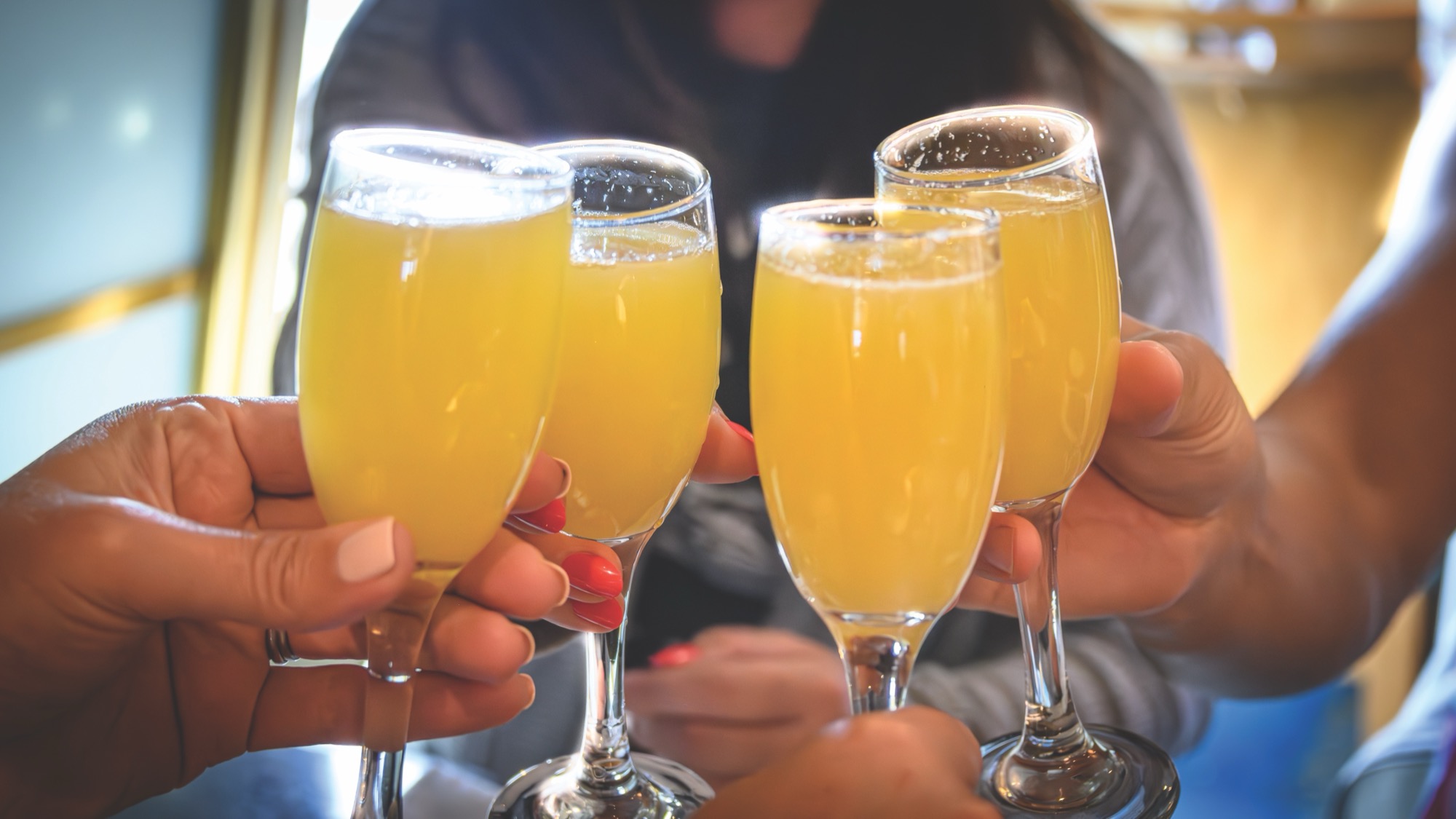
THE MIMOSA
The mimosa is believed to have been created by bartender Frank Meier at the Ritz Hotel in Paris during the 1920s. The combination of Champagne and orange juice resembled the yellow flowers of the mimosa plant, which gave the drink its name.
A similar drink called the Buck’s Fizz had already appeared at Buck’s Club in London around 1921. The basic ingredients were the same, although the Buck’s Fizz generally contained more sparkling wine.
More alcohol and less orange juice? Apparently London understood brunch before the rest of us.
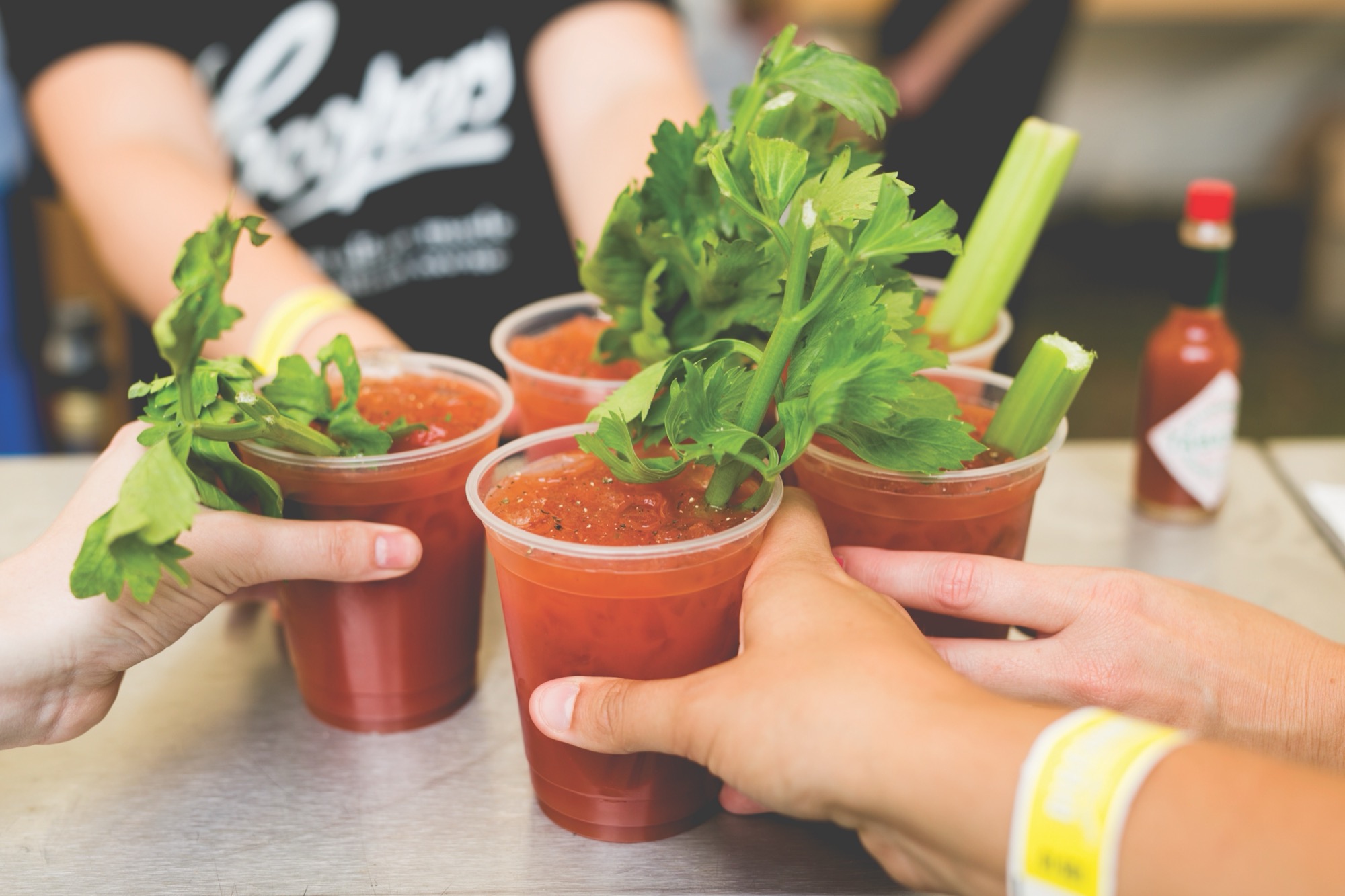
THE BLOODY MARY
The Bloody Mary’s history is a little muddled, which seems appropriate for a drink that can arrive topped with celery, bacon, shrimp and half the produce aisle.
Bartender Fernand Petiot is generally credited with helping create the modern version. He reportedly began serving a simple mixture of vodka and tomato juice at Harry’s New York Bar in Paris during the 1920s. After moving to the King Cole Bar at New York’s St. Regis Hotel, he added seasonings including lemon, Worcestershire sauce, pepper and cayenne.
The exact origin of the name remains disputed. What isn’t disputed is the Bloody Mary’s ability to make drinking vodka before noon appear almost medicinal.
THE BELLINI
The Bellini was created in 1948 by Giuseppe Cipriani, founder of Harry’s Bar in Venice. Cipriani blended white peach purée with Prosecco and named the pale pink drink after 15th-century Venetian painter Giovanni Bellini.
Unlike a mimosa, which can survive inexpensive sparkling wine and orange juice from a carton, a proper Bellini depends on ripe white peaches. It is elegant, Italian and just demanding enough to require some effort.
Naturally, we love her.